Behind the blinds
What we worked out about Porto, somewhere around Saturday morning, is that there isn’t a great deal to do. You can see the main things in a day. There is a river, there are bridges, there is a bookshop everyone has heard of, and then there is the city itself, which mostly consists of going up and down. I was thankful for this in a way I hadn’t expected to be. I didn’t want an itinerary. I wanted to rest, to spend time with my friend, and to take a few days off from life – the usual stuff, the stuff that piles up.
So we had a slow morning. The shutters cut the light into ladders across the floorboards, somewhere below us a shop rolled up its iron front, and the bells began, unhurried, as if they also had nowhere to be. Then my friend went looking for coffee. She loves coffee. I don’t drink it. This asymmetry is the source of her most common refrain, which is that without her I would never discover any of these places, because I’d walk straight past them. She found one on the Escadas Codecal, a run of steps above the Ribeira: a small specialty place, a railing to lean on, and the entire river behind it.


Her refrain is not true. It may contain a grain of truth. I have never admitted this to her.
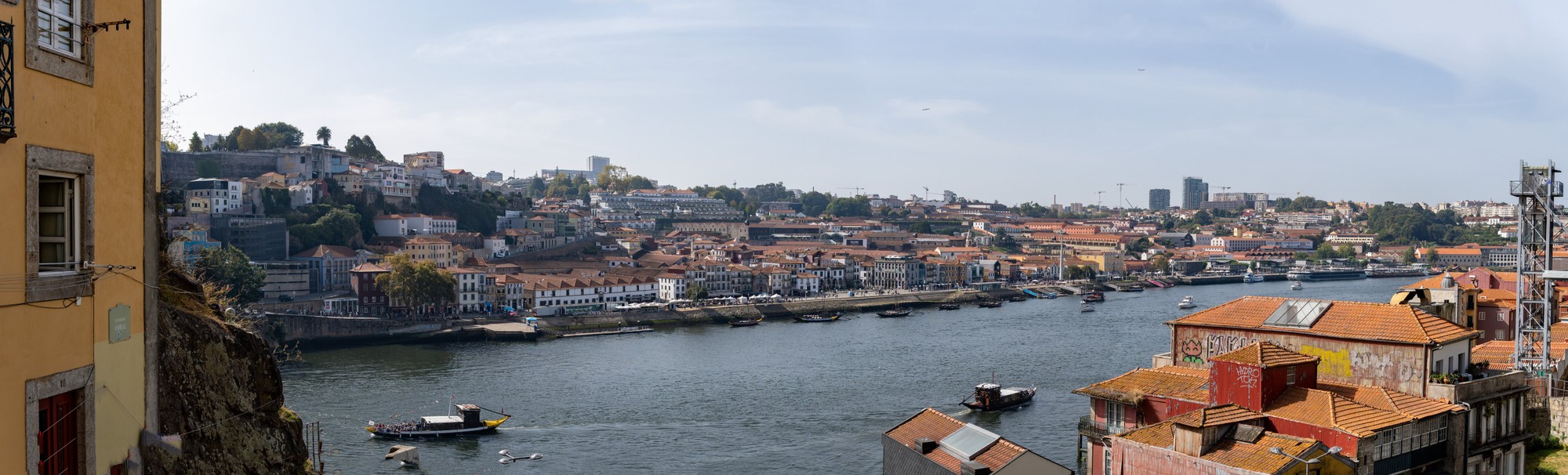
From there we walked, because we both like walking and because, as established, there wasn’t much else to be doing. The weather was absurdly pleasant. I took pictures of everything, the way I do – you’ve seen the site, you know how it is. Across the river Gaia sat in the sun with the port lodges’ names painted on their roofs in letters big enough to read from here.


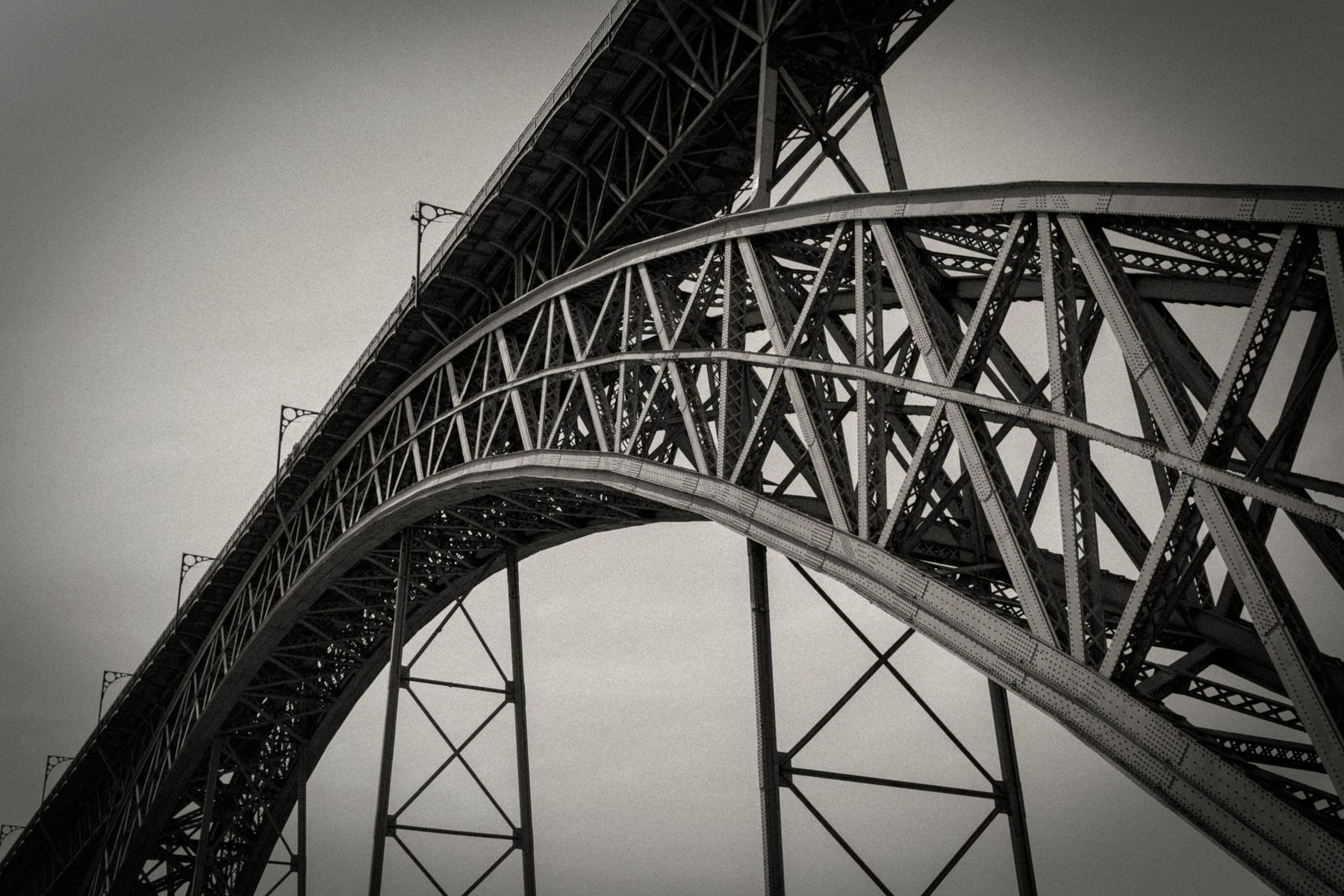
Down at the Ribeira the bridge takes over. You walk out along the lower deck of the Dom Luís I and look up and it’s all rivets, thousands of iron buttons the size of a thumb, each one hammered in by hand in the 1880s by people who presumably had opinions about heights. Along the riverside road the old yellow tram came rattling past, more ornament than transport at this point and entirely aware of it.


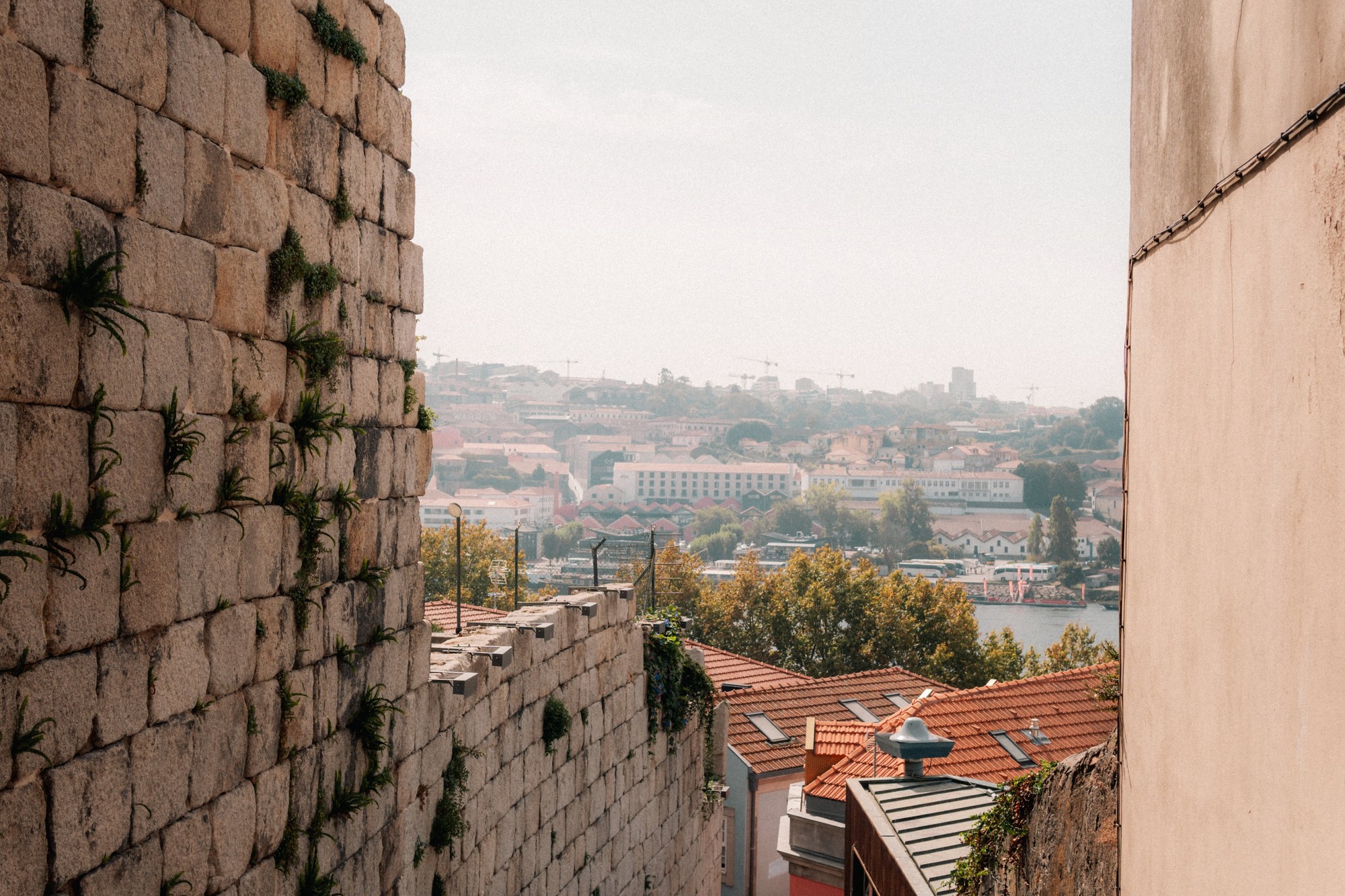
Then back uphill through the old streets west of the bridge, the ones that are more stair than street, where a doorway will suddenly frame a slice of river like it was hung there on purpose and a daisy grows out of a crack in a wall that has been there since before anyone’s grandmother.


And then, finally, a ride out to Campanhã and Tia Orlanda, which this time was open.
I want to describe this properly. Tia Orlanda is Orlanda’s restaurant, and Orlanda’s roots are in Zambézia, and you can tell. It’s a small room with capulanas on the walls and old photographs of Mozambique in frames, and every table is named after a province. We were at Manica. It’s been open less than ten years, it’s one of the very few Mozambican kitchens in the city, and the embassy holds its dinners here, which is the kind of endorsement you can’t buy. I hadn’t eaten Mozambican food I didn’t make myself in a very long time, and the first mouthful did that thing food from home does, where it goes past the tongue and straight into the part of you that keeps the photographs.


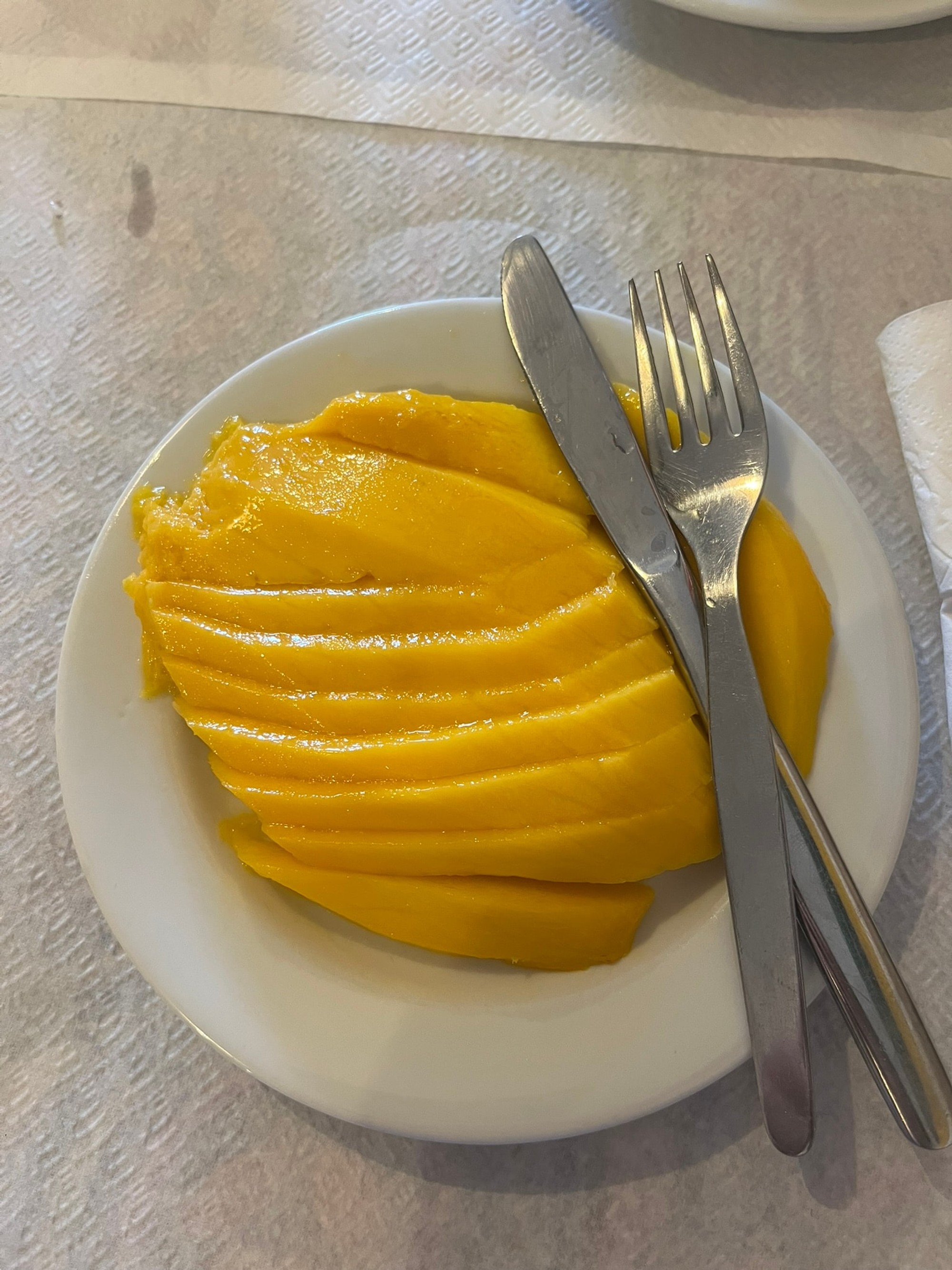
My friend had feijão com coco e cogumelos, beans and mushrooms in coconut milk, from the vegetarian corner of the menu. I had caril de amendoim, peanut curry, which healed me up right quick. No joke. There were chamuças and rissóis to start, and for dessert fresh mango and a peanut mousse that I’m still thinking about. My friend was shocked: the chamuças (samosas) and the achar (pickle) were exactly like the ones from her home. Well, Mozambique has a great many influences. What can I say? :)
The owners took a liking to us. I don’t fully know why – maybe the accent, maybe the province we happened to be sitting at, maybe just that we were clearly so happy to be there. When the other customers had gone, they asked us to stay behind. They closed the door. They pulled the blinds down. And they told us that whatever we wanted from the kitchen, we only had to say. We stayed until nearly three, in a closed restaurant in a city that once ran the country that restaurant is named after, being fed like family.
The afternoon was books. Livraria Lello is the place everyone is going to, and we went, and yes, there was a queue, and yes, you buy a ticket to stand inside a shop, and none of that stopped it from being a genuinely good hour. The staircase is the famous bit, a red curl of carved wood in the middle of the room, but I spent most of my time looking up at the skylight.
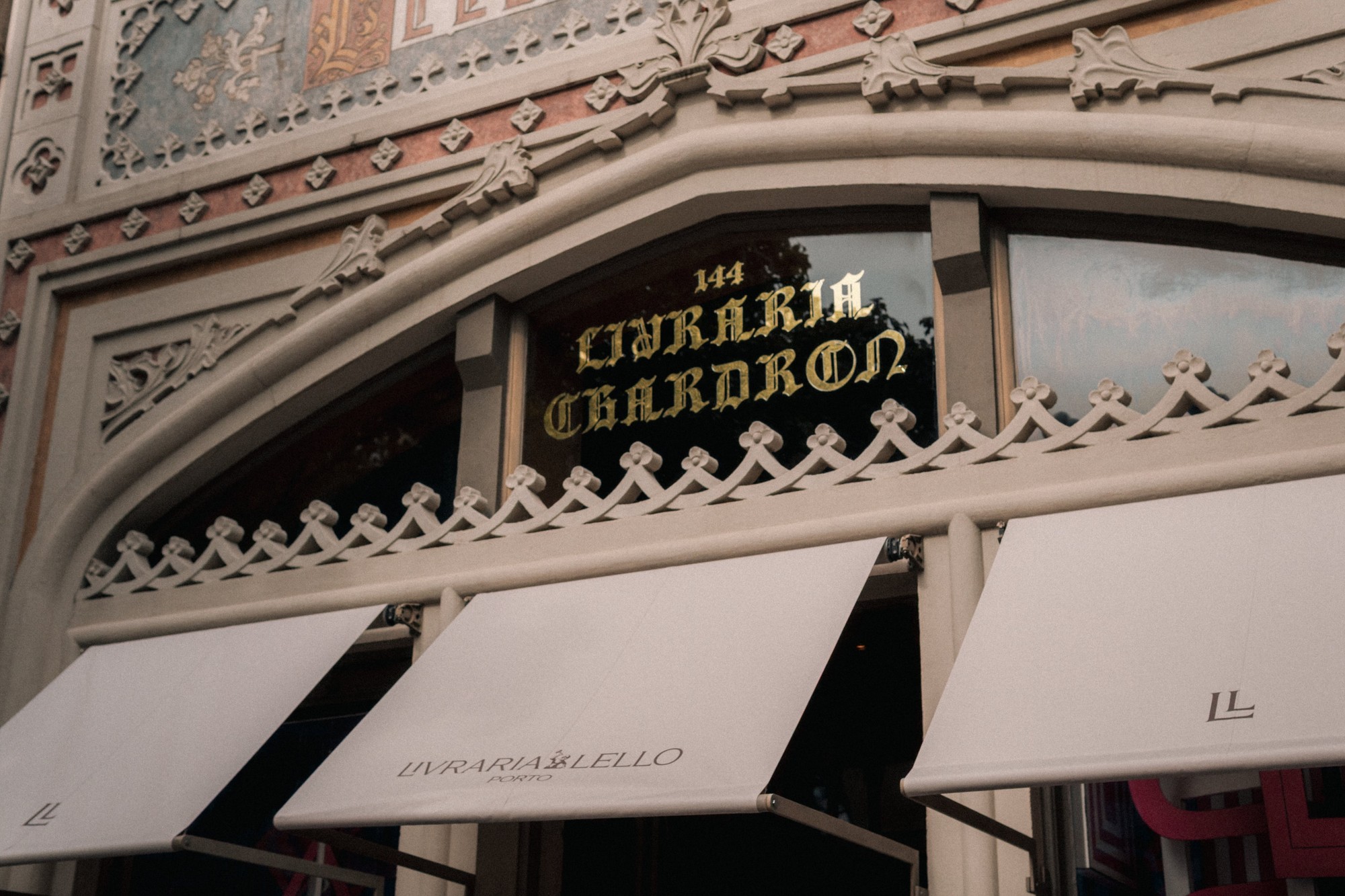
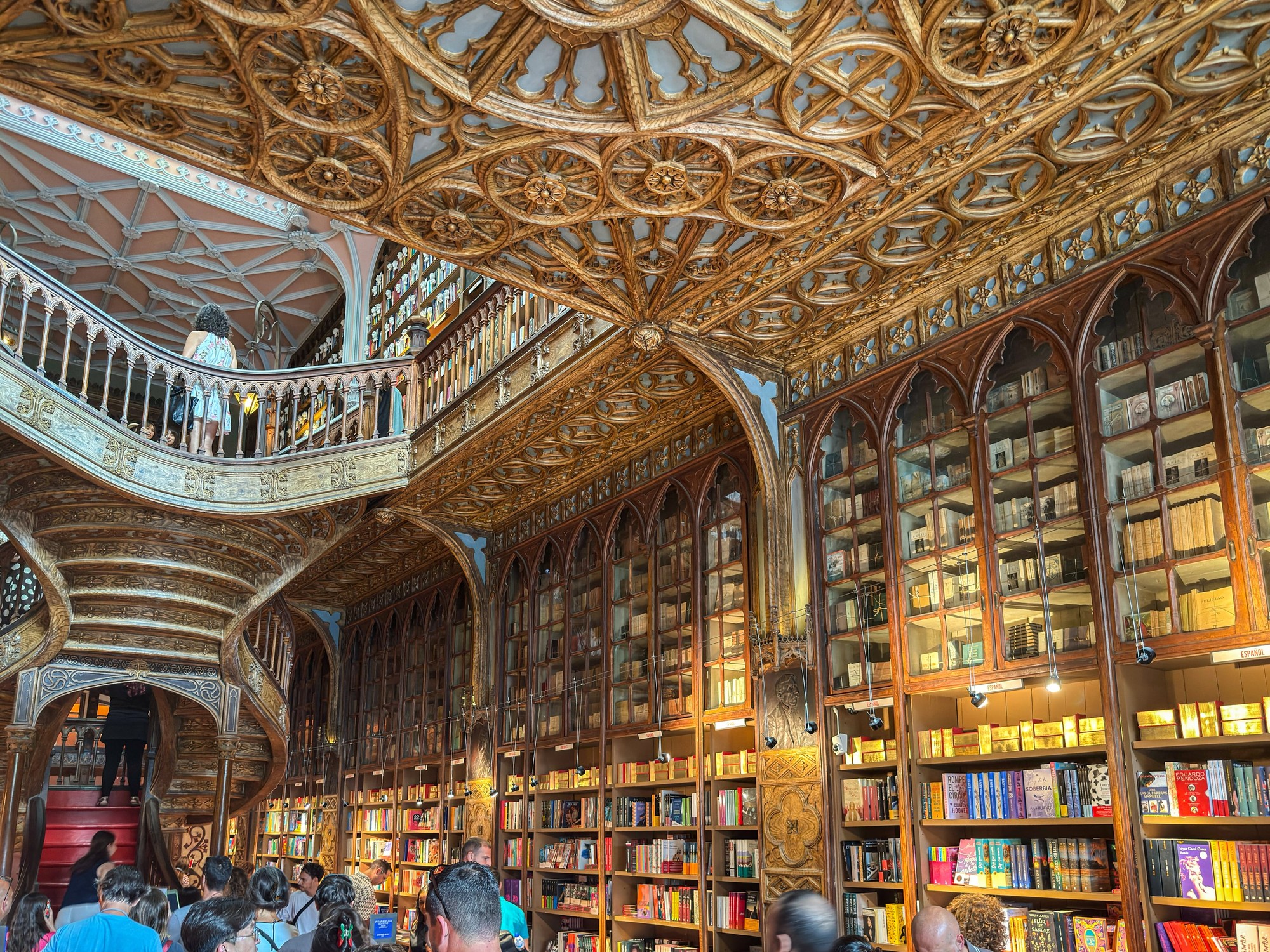


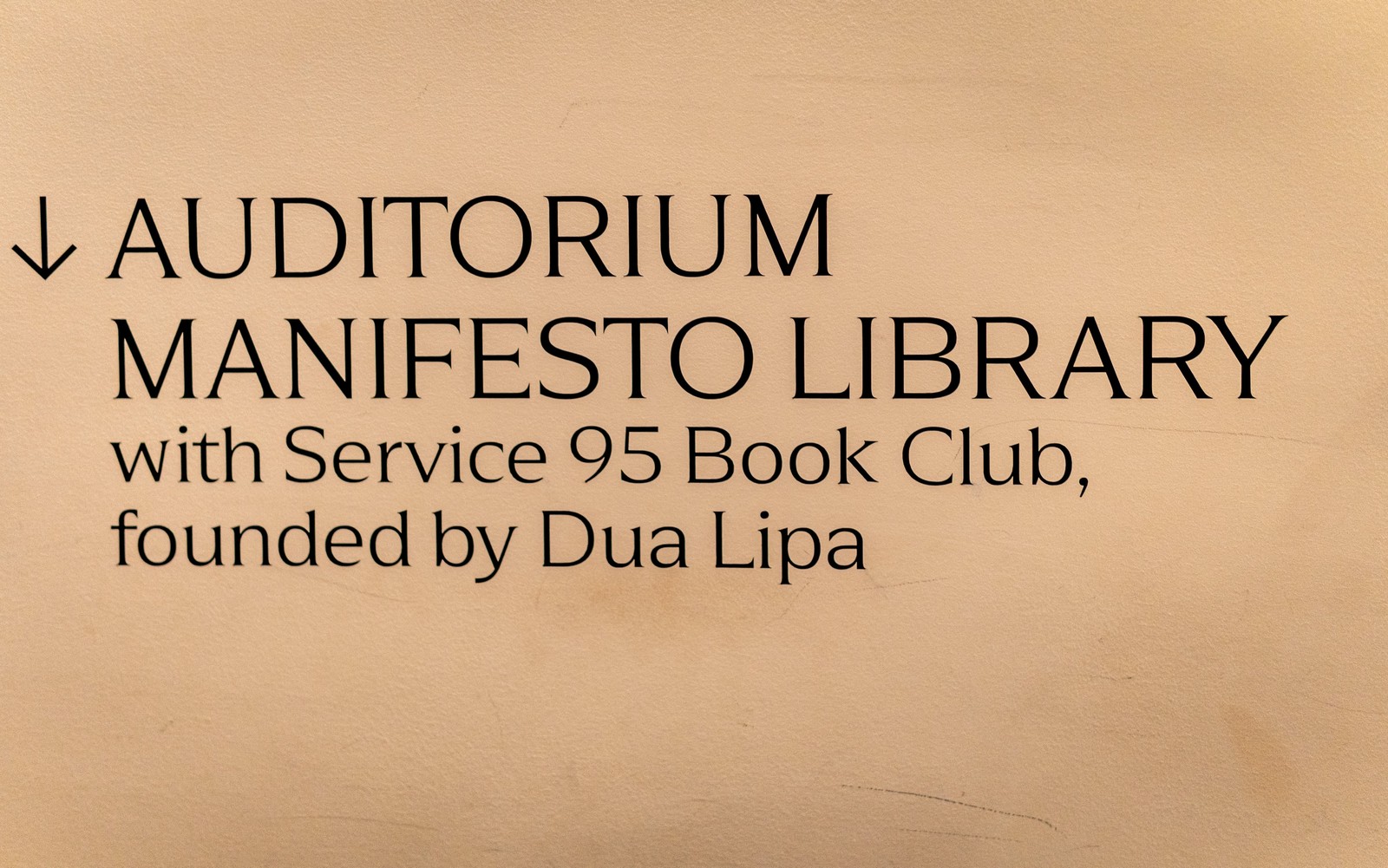
They’ve leaned into the attention, as you’d expect: tables of their own clothbound classics in colours designed to be photographed, and upstairs, unexpectedly, a little auditorium with a sign announcing a book club founded by a pop star. We left, my friend went back to At Street for her second coffee of the day, and I sat across from her with a glass of something cold, pretending to be above all of it.

I’d arranged a surprise for the evening. I had called Borboleta ahead of time, a restaurant tucked into a garden off Dom Manuel II, and asked them to prepare something to celebrate my friend’s life – not a birthday, not an occasion, just her, which is the best reason I know. Red chairs under the trees, candles, the noise of the city turned right down. She had roasted cauliflower with ryazhenka, a herb salad and dukkah. I had sea bass on a cauliflower purée, with a cauliflower tabbouleh of dried cranberries and toasted almonds, and I would like to have it again, if anyone’s asking. Then, for dessert, they brought out something special with candles in it, which was the part I’d asked for and the part she hadn’t seen coming. It was delightful from start to finish, five stars all the way round, and we drank a fair amount of vinho verde, as you do, as everyone does, as the country more or less requires.
We used Bolt and Uber interchangeably all weekend, because they’re cheap, at least compared to where either of us lives, and that comparison sat with me in the back seat. You don’t have to look hard to see how tight things are here. The city was full of people, full of visitors, and full of political posters, some of them saying things I’d rather not repeat, at exactly the height of a passing car window.
Clear and warm all day. 114 frames, the most of the trip. Two coffees that weren't mine, a few rides, one very long lunch.
The yellow tram along the river. Then, at Tia Orlanda, the blinds coming down and the room going quiet in the good way.