The Bug Experience
14 min read
Planted: Early 2024
Last tended to: Late 2025
Introduction
To understand the music of Kevin Richard Martin, known professionally as The Bug, you must first forget your ears. This is not music to be heard; it is a physical event to be felt.
Martin’s music draws on dub, dancehall, grime, and industrial noise, but the genre breakdown is almost beside the point. What ties all of it together is a commitment to physical impact — bass that arrives in your chest before you’ve had time to think about it, sound that settles and stays. Acidic, brutal, and at its best, genuinely crushing.
I was twelve, in Mozambique, browsing the internet late at night, when I first heard Scientist’s Dance of the Vampires. I had no idea then that I would one day hear it played in a public space and sing along. My younger self would not have believed it.
I first discovered The Bug in 2008. I vividly remember my dad finding me listening to Too Much Pain and describing it, with a mix of confusion and concern, as “druggie music.” He was right about the effect: it’s disorienting, trance-like, and deeply transformative. What pushed me over the edge was watching Kevin Martin’s interview with Red Bull, where I gained an increased appreciation for the sound he was crafting.
The live show is where this music actually lands, part performance and part ritual. More on that below.
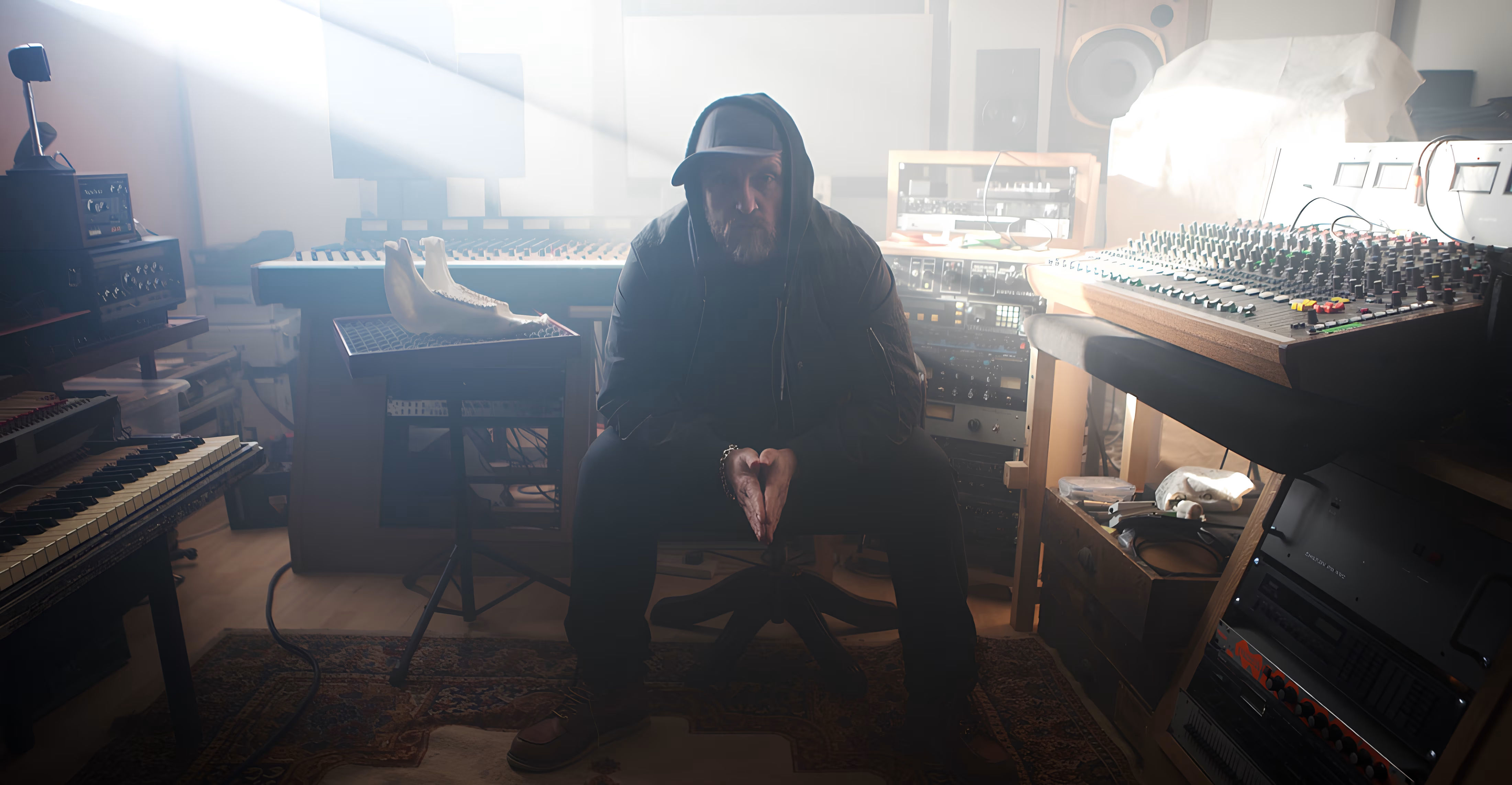
Image Credit: Fabrice Bourgelle via Bandcamp
Genesis
Kevin Martin came to The Bug through punk, dub sound systems, and industrial noise. Projects like God, Ice, and Techno Animal through the late 80s and 90s, each one pushing further into density and discomfort. The Bug was their distillation. The name is accurate: something invasive, something that gets under the skin. London Zoo in 2008 and Angels & Devils in 2014 are the two poles of the project: the first relentless, the second more atmospheric, though less focused for it. The through-line is bass treated as the main event rather than accompaniment, and a rotation of collaborators whose voices fight with the production rather than sitting on top of it.
The Architecture of Bass
Bass, Rhythm and Texture
Bass
In most electronic music the bass supports the melody. Here it is the melody. It is deep and constant and you feel it in your chest and bones before you have decided anything about it, which puts the low end in charge of both the tune and the urgency. Everything else is arranged on top of that.
Rhythm
The rhythms borrow from dancehall syncopation and the fast, angular patterns of grime, run through the mechanistic precision of industrial. The blend is arresting and disorienting at once. It works on anticipation and release, and the release tends to arrive later than you want it.
Texture
Field recordings, vocal snippets and ambient sound sit against harsh electronics and industrial clangs, organic and synthetic in the same frame. The result is dense, and the detail packed into that density is what rewards going back to it.
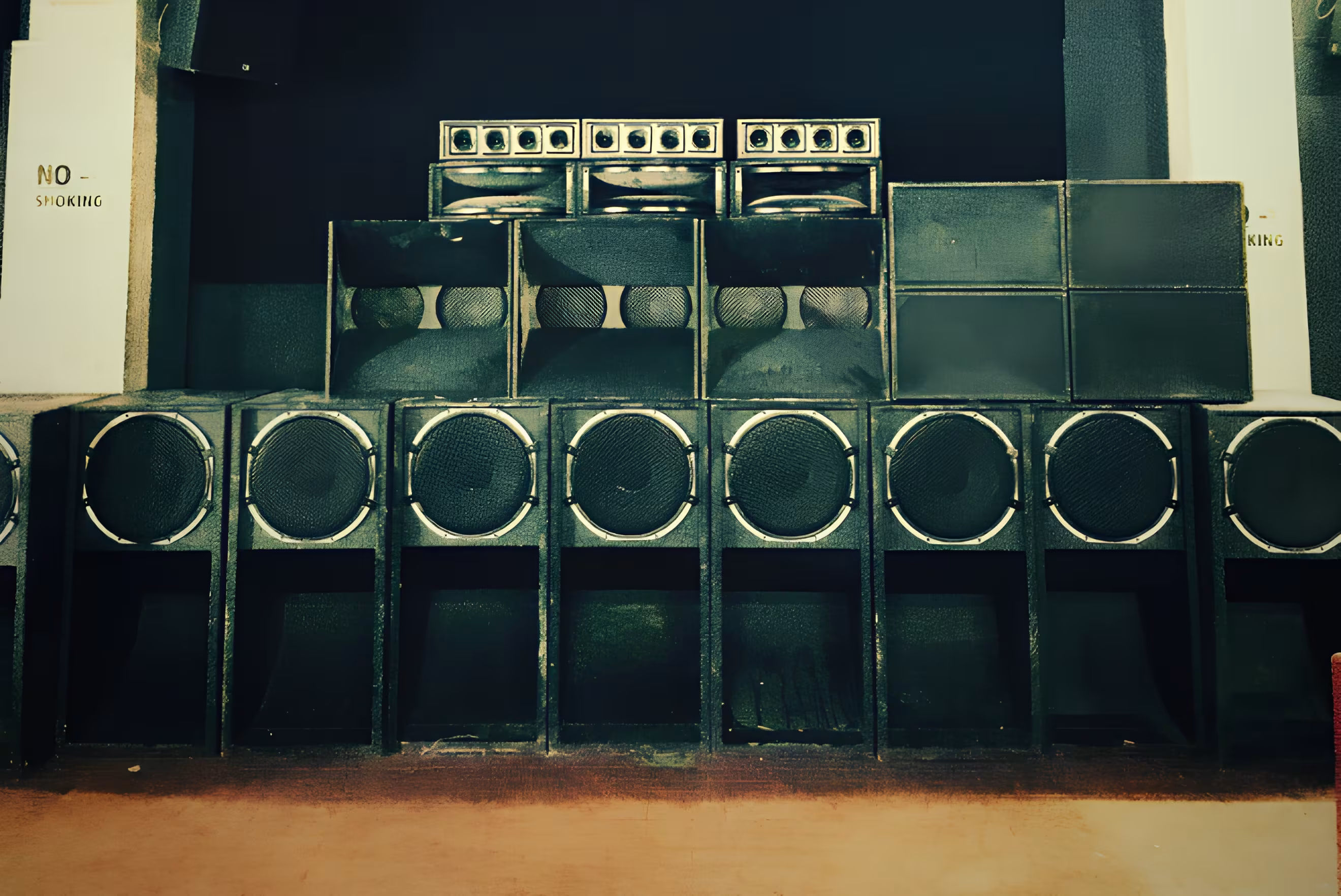
Image Credit: The Bug’s very own soundsystem via Twitter. Not pictured is the same system BEHIND you.
The Integration of Vocals
Vocals work as texture and as narrative at the same time. The range runs from confrontational to ethereal and haunting, and the lyrics stay with social unrest, existential dread and personal struggle, which puts a human presence inside all that dense electronics. The exchange goes both ways: the voice changes the track and the track changes the voice. I’ll touch more on the contributors later.
The sound has moved over the years without losing what holds it together. Deep bass, complex rhythms, thick texture, and a voice fighting the production rather than sitting on top of it.
The Live Experience
A Bug show is a physical event more than a concert. Sound and space work on each other, and Martin sits between the music and the room, shaping how it arrives. What people describe afterwards is almost always the same: it was felt rather than heard, and it was felt together.
The Physicality of Sound
In his live performances, bass becomes an almost tangible presence, an all-encompassing force that reverberates through the bodies of the audience. The deep, resonating frequencies of the bass push the limits of sound systems and the human body’s sensory capabilities, creating a shared experience that draws attendees into a collective state of heightened awareness.
The space becomes part of the performance. The carefully crafted soundscapes envelop the listeners, creating a cocoon of sound that isolates them from the outside world and forges an intense, communal experience that subsumes individual identities.
The Use of Space and Visuals
Where the speakers go matters as much as what comes out of them. The venue’s configuration, the positioning of the rig and the way sound moves through the room are all worked out in advance, and if the audio limits are liberal you end up inside the sound rather than in front of it. As the caption above says, there is usually the same system behind you.
The visuals stay minimal. Strobes and projections, locked to the music, doing less work than the sound and meant to. What they add at a Pressure show is timing, and a strobe landing on the same beat as the bass removes whatever distance was left between watching and being in it.
The live setting also allows for a level of spontaneity and interaction that is absent from recorded music. Kevin Martin, feeding off the energy of the crowd, may push often familiar groove lines n unexpected directions, further blurring the lines between artist, audience, and performance. No two performances are the same.
Collaboration as Alchemy
Kevin Martin’s collaborators are not features. Flowdan, Dis Fig, Miss Red: each one changes the shape of the production, not just its surface. While I love the work done with Nazamba (RIP), Moor Mother, and others - I’ll only focus on those I have experienced live.
The Voice of Authority
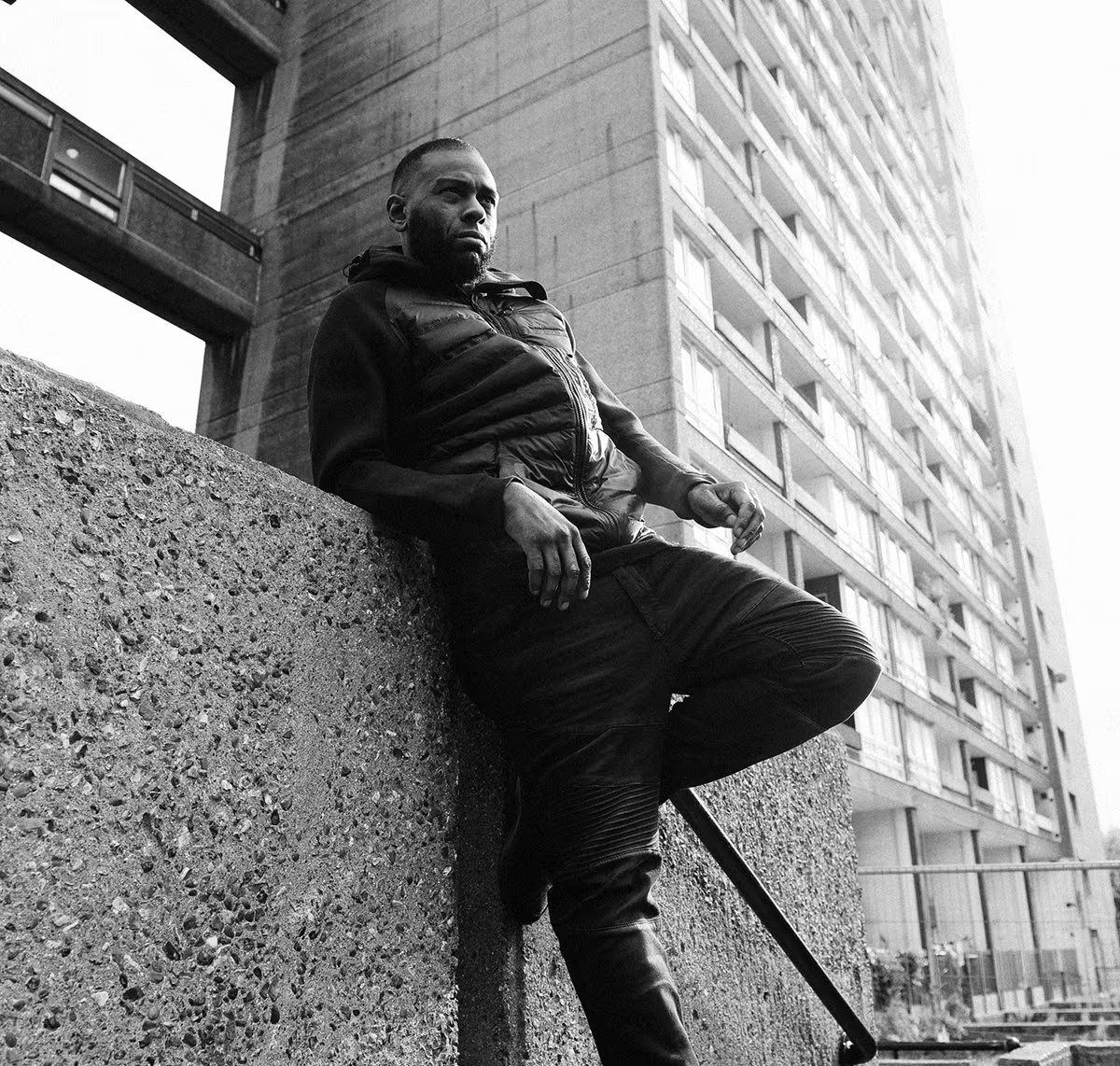
Image Credit: Bandcamp
Flowdan came out of the emergence of grime in East London as a founding member of Roll Deep, and what he brings is authority. The delivery is powerful and it holds its ground inside the dense, brooding tracks Martin builds. His subjects are power, survival, identity, defiance and resilience, the same ones the productions are describing without words.
One of the most notable collaborations between Flowdan and The Bug is “Skeng,” a track from the first album “London Zoo.” “Skeng” captures what their chemistry actually sounds like: Flowdan’s authority landing over production that is heavy, menacing, and built to hold it. The track’s relentless bass line, coupled with Flowdan’s fierce vocals, creates an atmosphere of impending doom that is both thrilling and unsettling. Flowdan’s patois-inflected delivery, full of dark imagery and street-savvy awareness, rides over The Bug’s sparse, industrial beats in a way that captures the tension and energy of urban existence.
In interviews, Martin has often highlighted the natural chemistry between Flowdan’s vocal style and his production. “There’s something about Flowdan’s voice,” Martin noted in a discussion with Fact Magazine, “It cuts through the noise, through the density of the electronics. It’s like a beacon.” This symbiosis has been a defining feature of their collaboration, with Flowdan’s voice acting as both an anchor and a beacon, guiding listeners through the sonic maelstrom.
Flowdan’s presence in The Bug’s live performances adds another layer to their collaborative magic. On stage, this deep-rooted synergy transforms the music into a physical experience for the audience. Flowdan’s performance style, compelling stage presence, and an ability to engage directly with the crowd, amplifies the energy of The Bug’s live sets, making them unforgettable experiences.
Ethereal Contrasts

Image Credit: Ella Rinaldo via FACT Magazine
Dis Fig, known for her haunting vocal style and emotional depth, brings a striking contrast to The Bug’s intense and often abrasive sonic world. With a background steeped in experimental electronic music, Dis Fig (Felicia Chen) has carved out a niche that defies easy categorization, blending elements of ambient, industrial, and classical music with a deeply emotional and expressive vocal delivery. Her work prior to collaborating with The Bug was already notable for its emotional rawness and avant-garde approach, making her partnership with Kevin Martin a compelling fusion of styles. Dis Fig’s collaboration with The Bug, particularly on “In Blue,” underscores the power of juxtaposing vulnerability with intensity.
Live, her contribution changes character. The contrast sharpens: an ethereal vocal against a sound system built for physical impact, and the two refuse to resolve into each other. That tension is the most interesting thing happening on stage.
Dancehall Dynamism
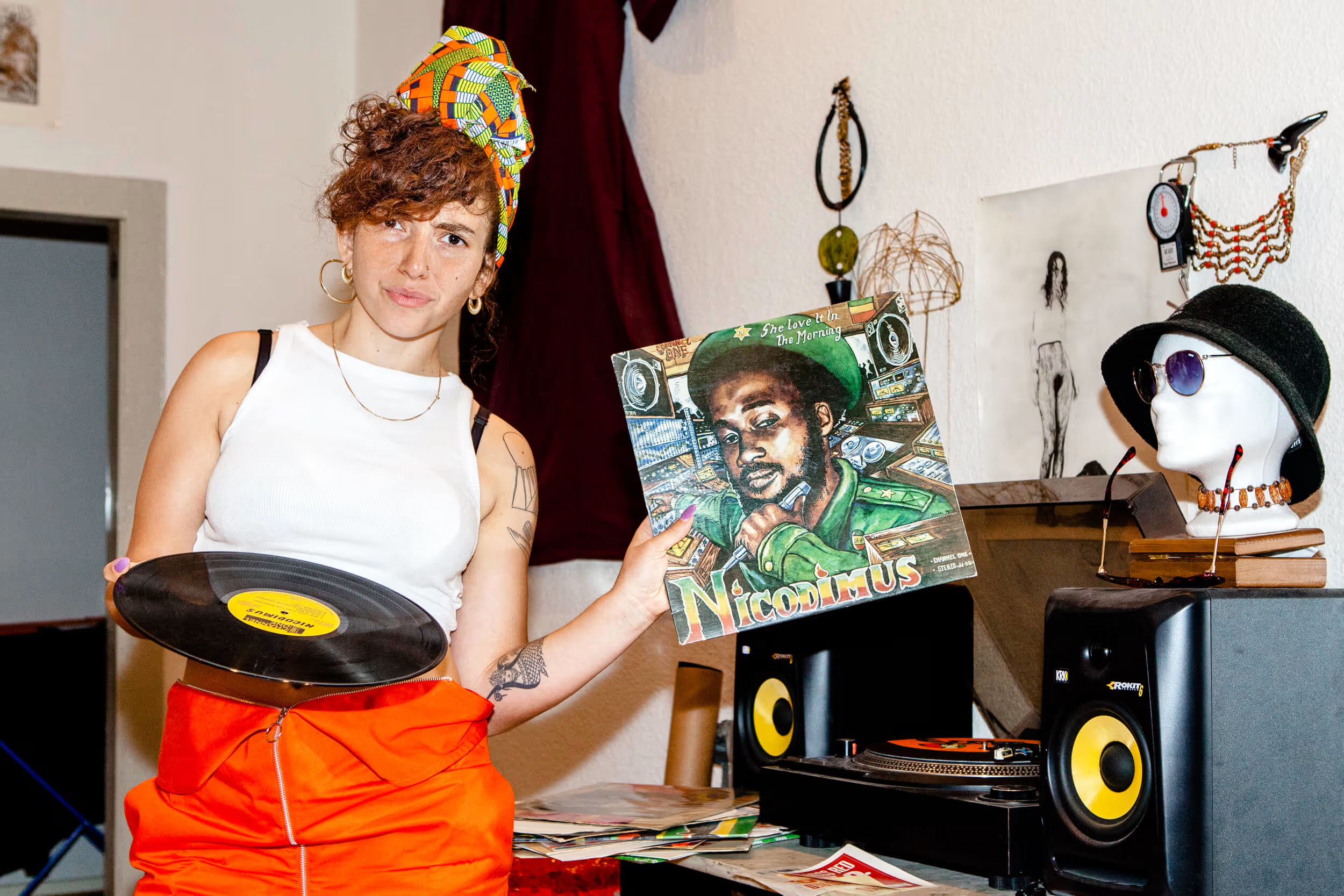
Image Credit: Kristin Krause via The Vinyl Factory
Miss Red, born Sharon Stern in Israel to a Moroccan and Polish family, brings the fastest delivery on any Bug record. Rapid-fire, out of dancehall, confrontational and exhilarating in the same breath. She widened the palette and the range of what the tracks could be about.
Miss Red’s vocal style is marked by its agility and intensity, characteristics drawn from her deep-rooted affinity for dancehall music. Her ability to weave between rapid-fire delivery and melodic singing, all while maintaining a bold and assertive energy, brings a fresh dynamism to The Bug’s productions. This dancehall influence introduces a rhythmic complexity and vocal ferocity that enhances the music’s existing tension and depth, making each track they collaborate on bristle with an added sense of urgency and vitality.
Reflecting on their collaboration, Martin remarked in an interview with Resident Advisor on the dynamic energy Miss Red brings to the studio and stage. “Miss Red has this incredible ability to elevate the energy of a track,” he observed. “She brings a rawness, a fierceness that is unmatched.” This rawness and fierceness have become integral to the identity of The Bug’s music, adding a layer of immediacy and urgency that compels attention.
In live settings, Miss Red’s impact on The Bug’s music becomes even more pronounced. Her dynamic stage presence and ability to engage with the audience elevate the live experience, transforming the performance into a shared energy exchange between the artist and crowd.
The Impact of The Bug
What The Bug has argued across every record, without ever stating it, is that voice and narrative belong at the centre of electronic music rather than on top of it. The fusion of dub, dancehall, grime and industrial noise under a constant bass weight was the vehicle. Plenty of people were combining those sounds. Fewer were building tracks that made the vocalist work for their place in the mix.
That approach travelled. The cross-pollination it encouraged turns up well beyond electronic music now, in hip-hop and in modern pop, Western and K-Pop alike.
The reception has been consistently positive, with Angels & Devils drawing less of it than the rest.
Angels & Devils tries for something London Zoo does not: space, drift, a more atmospheric palette. The shift is deliberate and in places rewarding, but the album pays a price. Where London Zoo is relentless—every track built around the same pressure, the same refusal to let up—Angels & Devils spreads that pressure across a wider, softer field. The guest roster is strong, but the production often cushions rather than confronts; the bass remains central, yet the mix leaves more room for air, and the result can feel diffuse where London Zoo felt inexorable. It is not a failure—there are moments of real beauty—but the atmospheric turn dilutes the project’s core proposition: that bass and weight are the point of entry, and that everything else should fight for space against them.
The live shows get described in near-mythical terms, and what everyone lands on is the physical experience rather than the setlist.
Martin keeps moving. That is most of the explanation.
Final Thoughts
The Bug’s music is the product of Martin’s refusal to keep genre influences separate from each other, or bass from meaning, or performance from physical experience. The collaborations did the shaping, each voice complementing or cutting against the dub and electronics underneath.
Listen on the best speakers you have and turn it up. The bass is load-bearing. At a live show, find a spot where the sound system reaches your chest. That is the point of entry.
I have no idea what he does next. Being challenged by it, and having to reassess what sound and performance can do, is most of why I keep listening.
Here’s to more PRESSURE in the coming years ❤️❤️❤️
Additional Resources
Interviews, live footage and the side projects. Where I would go next.
Further Reading
- “Bass, Mids, Tops: An Oral History of Sound System Culture” by Joe Muggs and Brian David Stevens: While not exclusively about The Bug, this book offers invaluable context on the sound system culture that significantly influences Martin’s work.
- “The Wire” Magazine Archives: Search for Kevin Martin and The Bug for a collection of interviews and articles that offer deep dives into his creative ethos and the evolution of his sound.
Interviews
- Resident Advisor’s Exchange Podcast: Features an in-depth interview with Kevin Martin, where he discusses his career, the philosophy behind The Bug, and his views on the current state of electronic music.
- FACT Magazine: Offers several insightful interviews with Martin, focusing on specific projects and collaborations, providing a glimpse into his creative process.
- Red Bull Music Academy Interview: The one that pushed me over the edge, as mentioned up top. Career, influences, and where he thinks electronic music has gone.
Other Projects
- Black: Kevin Martin’s ode to Amy Winehouse is a profound musical tribute to a unique voice and talent that left us much too soon.
- Flame 1 and Flame 2: These collaborations between The Bug and the elusive UK producer Burial merge their distinct sounds into a hauntingly beautiful exploration of the spaces between dubstep, ambient, and drone.
- Frequencies For Leaving Earth Series: This series represents Kevin Martin’s explorations into ambient and drone music, a departure from the rhythmic intensity of his work as The Bug. Through these compositions, Martin crafts soundscapes meant to evoke the vastness of space and the introspective journey inward, pushing the boundaries of electronic music into meditative and transcendent territories.
- King Midas Sound: Explore this project for a different side of Kevin Martin’s production, focusing on dub and ambient influences.
- Miss Red’s “K.O.”: Produced by The Bug, this album showcases Miss Red’s fierce vocal delivery against Martin’s signature dense, rhythmic backdrops.
- Return to Solaris: Inspired by Andrei Tarkovsky’s classic sci-fi film “Solaris,” this project sees Kevin Martin reimagining the film’s score, translating its themes of memory, grief, and the unknown into a sonic journey.
- Concrete Desert: This collaboration with the American drone metal band Earth, represents a meeting of seemingly disparate musical worlds. The result is a mesmerizing fusion of Earth’s slow, heavy guitar drones with The Bug’s rhythmic intensity and sonic weight.
- G36: Kevin Martin and Gorgonn have industrial soundscapes collide with dub’s deep reverberations in electrifying fashion.
Online Resources
- The Bug’s Official Bandcamp Page: A comprehensive resource for exploring his discography, including solo projects and collaborations.
- Kevin Martin on SoundCloud: Offers a selection of tracks, mixes, and collaborations, providing a broad overview of his sound.
Start with London Zoo, loud.